The Rise of Biometric Hacks
January 16th, 2026 - Written By CyberLabsServices
The Rise of Biometric Hacks: How Fingerprints and Faces Can Be Stolen
When Convenience Becomes Risky
It was a normal Tuesday morning in a busy tech office. A staff member unlocked her laptop with a fingerprint scanner. Another walked into a secure lab using facial recognition. Everything seemed fast, simple, and safe.
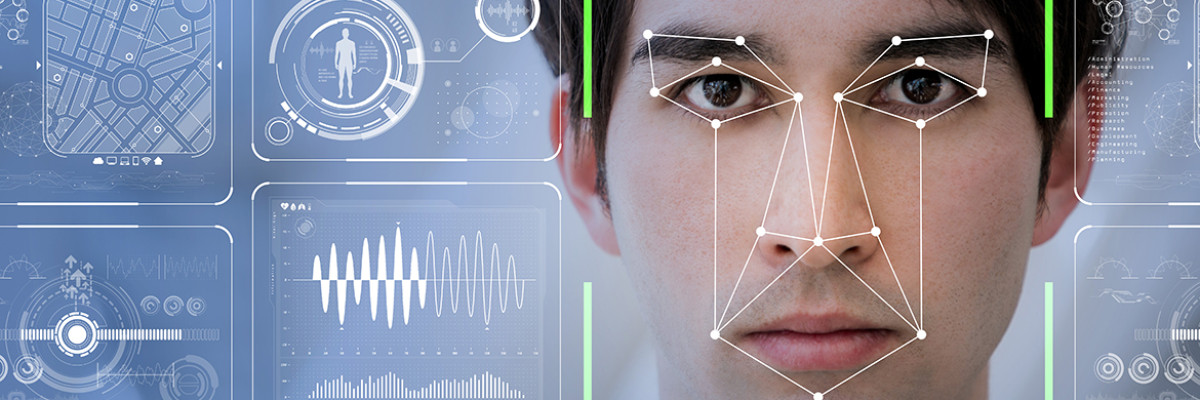
But behind the scenes, a hacker was quietly at work. A smudged fingerprint on a glass surface was enough to create a replica. A high-resolution video of an employee’s face, combined with a 3D-printed mask, was enough to fool facial recognition systems. Within minutes, the systems thought authorized employees were accessing sensitive areas but in reality, an intruder had already gained entry.
This is the reality of biometric hacks: attacks that exploit tools designed to make our lives safer. While convenient, fingerprints, facial scans, and other biometric identifiers are no longer unbreakable.
Understanding Biometric Vulnerabilities
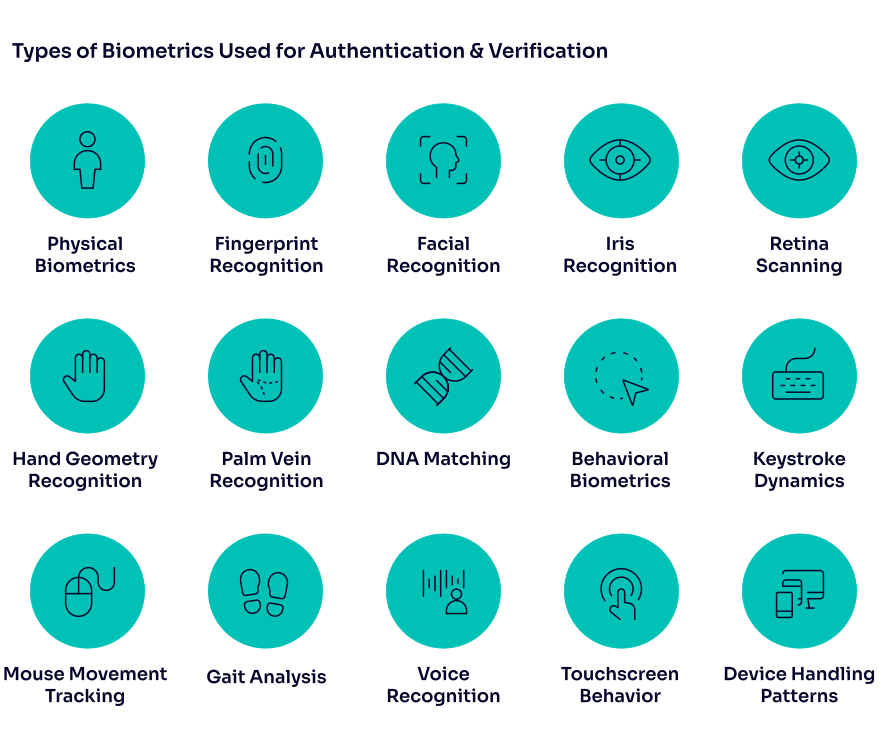
Biometric systems rely on unique human traits such as fingerprints, facial features, iris patterns, or even voice patterns. Unlike passwords, you cannot change them if they are stolen. That makes them a high-value target for cybercriminals.
Some of the most common vulnerabilities include as follows,
- Spoofing: Hackers can use fake fingerprints, masks, photos, or videos to trick biometric sensors into granting unauthorized access.
- Data Breaches: If a biometric database is hacked, the sensitive data it contains cannot be reset or changed like a password, leaving it permanently at risk.
- Weak Sensors: Scanners that are low-quality or poorly secured can be bypassed with simple tricks or even 3D-printed replicas of fingerprints or faces.
- Mobile App Loopholes: Smartphones and apps that store biometric data insecurely can be targeted by malware, allowing attackers to steal or misuse the information.
Are there any types of Biometric Hacks?
Yes, there are several ways hackers can bypass biometric security. Here are the most common methods they use.
- Fingerprint Cloning: Hackers lift fingerprints from surfaces like glasses, cups, or door handles. They replicate them using gelatin or 3D printing to unlock devices, doors, or secure areas.
- Face Spoofing:Attackers use photos, videos, or 3D-printed masks to fool facial recognition systems. Even some advanced AI-based systems have been tricked.
- Voice Cloning: AI can mimic a person’s voice to bypass voice recognition used in call centers, phones, or smart devices.
- Database Breaches: Companies storing fingerprint or facial data insecurely risk mass theft of sensitive information, which can be reused for future attacks.
Why Biometric Hacks Are Increasing
The use of biometrics has exploded in recent years. Phones, laptops, workplaces, airports, everything is moving toward faster, easier access. Convenience is tempting, but it comes with hidden risks.
- Overconfidence: People trust biometric systems blindly, assuming they are unhackable.
- Centralized Storage: Storing all biometric data in one place creates a treasure trove for attackers.
- Lack of Awareness: Employees often don’t realize how easily fingerprints, faces, or voice patterns can be stolen.
Real-Life Consequences
Case 1: Fingerprint Cloning
A fintech company relied on fingerprint scanners for office access. A hacker lifted prints from a meeting room table, replicated them, and quietly accessed restricted areas over several days. Sensitive documents were taken without triggering alarms.
Case 2: Face Unlock Breach
An AI research lab used facial recognition for lab entry. A hacker combined a high-resolution video of an employee with a 3D-printed mask to trick the system. Unauthorized access allowed the attacker to steal experiments and intellectual property before anyone realized a breach had occurred.
These examples show a major point: biometrics simplify security, but a single breach can have permanent consequences.
Emerging Threats: Beyond Fingerprints and Faces
Biometric hacks are not limited to fingerprints or facial recognition. New threats are emerging as technology advances
- Iris and Retina Scans: Even advanced eye scanners are not foolproof, as hackers can sometimes trick them using high‑resolution images of eyes or specially printed contact lenses.
- Behavioral Biometrics: Some security systems track how a person types or walks, and attackers are beginning to study and copy these patterns to slip past such defenses.
- Voice and Speech Recognition: With the help of AI, hackers can create realistic voice clones that can fool smart devices or even bypass voice checks used in banking systems.
As more biometric methods are used, hackers find new ways to exploit them, making vigilance crucial.
How Organizations Can Protect Biometric Data
- Multi-Factor Authentication (MFA): Never rely on biometrics alone. Combine fingerprints, facial recognition, or voice ID with PINs, tokens, or behavioral checks.
- Encrypt Biometric Templates: Store encrypted templates instead of raw images so stolen data is much harder to misuse.
- Liveness Detection: Use sensors and AI to detect real human traits such as blinking, heat, or subtle movements to prevent spoofing.
- Regular Audits: Continuously test systems against the latest spoofing techniques and update hardware and software to fix vulnerabilities.
- Employee Awareness: Train staff to avoid leaving fingerprints on devices, sharing photos or videos that could be used for spoofing, or using unsecured apps for sensitive data.
- Limit Access: Only allow biometric access where necessary and log every entry to maintain a clear audit trail.
Biometric Security Isn’t Optional
Biometrics are here to stay. They make access faster, smoother, and more convenient. But convenience without caution is dangerous. Security teams must treat biometric systems as sensitive endpoints, not perfect solutions.
Key Takeaways
- Biometrics make access easy but cannot be reset if stolen.
- Spoofing, database breaches, and sensor weaknesses are real threats.
- Combine biometrics with MFA, encryption, and continuous monitoring.
- Employee awareness and a culture of caution are as important as technology.
“Biometrics make security easier for humans, but hackers see them as permanent keys to unlock everything. Awareness, layered protection, and vigilance are the only way to stay ahead.”