Carding: The Hidden Cybercrime
January 5th, 2026 - Written By CyberLabsServices
Carding: The Hidden Cybercrime Fueling Global Financial Fraud
A Quiet Threat That Starts With a Single Transaction
It often begins with something small.
A college student wakes up to a strange $3 charge on her debit card.
A businessman notices a food delivery order from a city he’s never visited.
A bank’s fraud department calls a customer at midnight for “suspicious activity.”
None of them know who did it.
None of them gave away their card.
None of them visited any shady websites.
Yet someone, somewhere, is using their money.
Behind these silent financial losses lies a global underground industry: carding, one of the most organized and profitable cybercrimes on the planet.
What Exactly Is Carding?
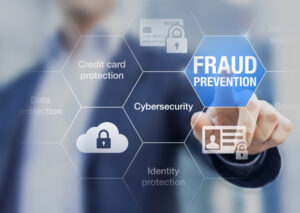
Carding is the illegal acquisition, validation, and exploitation of credit or debit card information.
To cybercriminals, payment cards are not financial tools, they are commodities, traded and monetized in secret marketplaces.
Card numbers, CVVs, expiration dates, and billing details become digital assets fueling an underground economy worth billions.
Where Do Carders Get Stolen Card Data?
Carders don’t rely on a single method. They exploit every weak point in the digital ecosystem:
Data Breaches – A compromised e-commerce database can leak thousands of card numbers in one attack.
Phishing & Social Engineering – Fake emails and login pages trick victims into handing over their financial details.
Skimming & Shimming – Devices secretly attached to ATMs or POS terminals copy card information silently.
Malware Infections – Keyloggers and info-stealers capture payment details typed into infected computers.
Dark Web Markets – Even after a breach, the stolen cards often appear on underground marketplaces where they’re bought and sold like products.
This pipeline of stolen data keeps the carding ecosystem constantly supplied.
How Carding Ecosystems Work
Carding is not a single action, it’s an entire fraud economy, involving:
- Data suppliers: Hackers who steal card details
- Vendors: Sellers on underground forums
- Buyers: People who purchase stolen card data
- Testers: Attackers who use automated bots to check if a card is still active
- Cashers: Actors who convert stolen card data into goods or money
It’s structured, organized, and surprisingly “business-like,” but entirely criminal.

Why Carding Is So Dangerous
Carding affects people long before they even realize it:
- Unexpected transactions drain bank accounts
- Frozen cards disrupt daily life
- Identity theft follows financial theft
- Victims lose trust in digital systems
- Businesses face chargebacks and financial losses
And unlike physical theft, victims often don’t notice until days or weeks later.
Real-Life Carding Incidents
Incident 1: The Online Store Breach
A small retail business suffered a silent JavaScript injection on its checkout page.
Every customer who made a purchase had their card details captured and sold online within hours.
Weeks later, cardholders noticed fraudulent streaming subscriptions and online purchases.
A single hidden script, thousands affected.
Incident 2: The ATM Surprise
A local bank found cloned cards draining ATM cash in three different cities.
An investigation revealed a skimmer placed inside a single branch ATM.
Dozens of customers had their savings wiped.
One device led to widespread financial loss.
Incident 3: Phishing Gone Wrong
A user received a fake “Your card is blocked” SMS urging immediate verification.
Minutes after entering the details, multiple ride-hailing and marketplace transactions appeared.
The card info had already been resold in an underground forum.
Speed is the carder’s biggest weapon.
Shocking Carding Statistics
- Over 20 billion card records have been exposed globally in the last decade.
- Carding forums collectively generate hundreds of millions of dollars per year.
- 91% of phishing campaigns target financial information.
- A single high-quality card can sell for $10 to $150 depending on limits and region.
- Financial fraud involving stolen cards increased by 40% in 2024 alone.
The underground carding economy is vast and still growing.
Top Carding-Related Scams Everyone Should Know
- Stolen Card Marketplaces
Active card numbers sold in bulk to fraudsters.
- Account Takeover Fraud
Card details combined with breached credentials to enter banking or shopping accounts.
- Chargeback Fraud
Fraudsters buy items with stolen cards and resell them, leaving merchants to absorb losses.
- Synthetic Identity Fraud
Criminals combine real and fake data to create new, fraudulent card accounts.
- Bot-Based Card Testing
Automated scripts test thousands of stolen cards across online stores to see which ones still work.
The techniques evolve but the objective remains the same: profit.
Who Suffers the Most from Carding?
Victim Impact
Individuals Unauthorized charges, identity theft, account lockouts
Businesses Chargebacks, fraud losses, damaged trust, PCI penalties
Banks Investigations, refunds, fraud-handling costs
E-commerce Bot attacks, payment fraud, system abuse
Carding is not “just fraud.” It’s a chain reaction affecting entire ecosystems.
How to Protect Yourself and Your Business
For Individuals
- Use strong, unique passwords
- Enable multi-factor authentication
- Regularly monitor bank statements
- Avoid unknown websites for purchases
- Use virtual cards or tokenized payment methods
For Businesses
- Implement fraud-detection systems
- Enforce PCI DSS compliance
- Use bot detection & rate limiting
- Secure payment gateways
- Train employees to spot phishing attacks
- Good cyber hygiene is the most effective shield.
What Should We Take Away From All This?
Carding is not a niche cybercrime. It’s a global industry that thrives on stolen data, weak security practices, and widespread digital dependency.
Anyone can become a victim even without doing anything wrong.
Awareness, monitoring, and strong cybersecurity practices are the first steps in protecting yourself and your organization.
Cybercrime evolves every day but so can our defenses.